A car's A/C system is a closed-loop mechanism that cools and dehumidifies the cabin air by circulating a chemical refrigerant through a series of core components, including a compressor, condenser, expansion valve (or orifice tube), and evaporator.
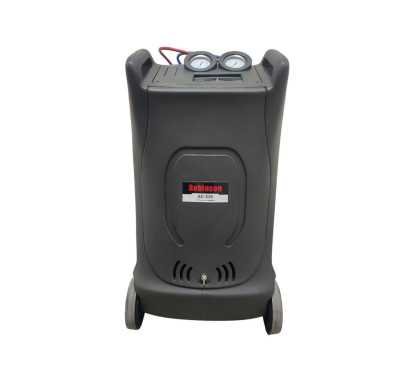
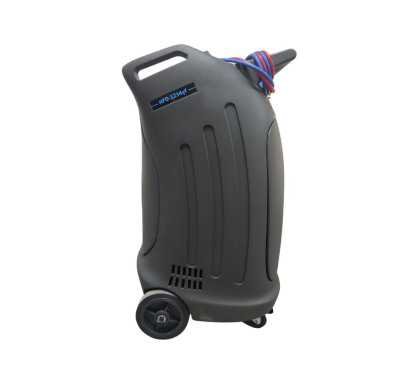
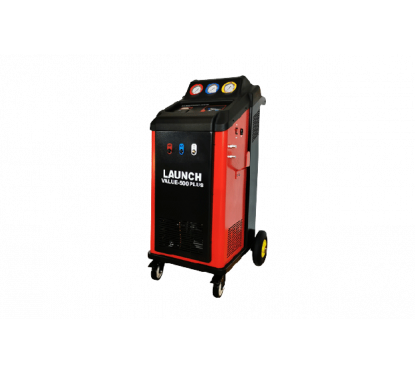
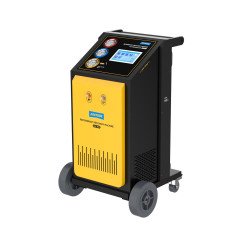
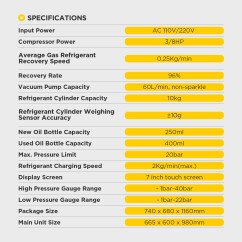
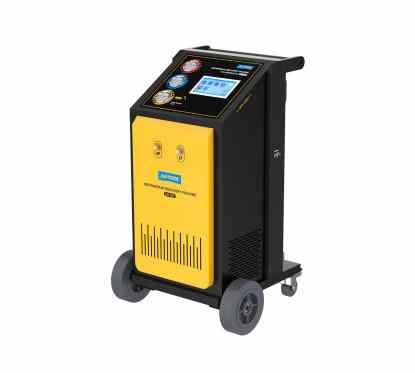
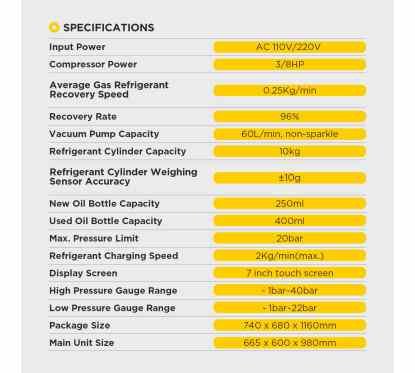
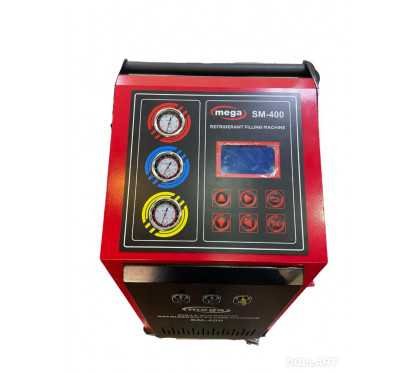
A/C machine
Core Components and Their Functions
The car's air conditioning system does not create cold air; instead, it removes heat and moisture from the passenger compartment through the continuous cycling and manipulation of refrigerant between liquid and gaseous states. The key components involved are:
Compressor: Often called the "heart" of the system, this engine-driven pump (via a belt) compresses the low-pressure, low-temperature refrigerant gas into a high-pressure, high-temperature gas.
Condenser: Located at the front of the vehicle, similar to a mini-radiator, the condenser cools the hot, high-pressure refrigerant gas using airflow (from the vehicle's movement or a fan). This cooling process causes the refrigerant to condense into a high-pressure liquid.
Receiver-Drier or Accumulator: The system will feature one of these components to remove moisture and filter out contaminants from the refrigerant. A receiver-drier is used in systems with an expansion valve, while an accumulator is found in systems with an orifice tube. Removing moisture is critical to prevent ice from forming inside the system and causing damage.
Expansion Valve or Orifice Tube: This component is a metering device that creates a restriction, causing an abrupt drop in the pressure and temperature of the liquid refrigerant as it enters the evaporator.
Evaporator: Positioned behind the dashboard, the cold, low-pressure liquid refrigerant enters the evaporator and turns into a gas, absorbing heat from the air blown across its coils by the blower fan. This process cools and dries the air, which is then directed into the cabin through the vents.
The Cooling Cycle
A/C machine
The process is a continuous loop:
Compression: The compressor pressurizes the refrigerant gas, making it hot and high-pressure.
Condensation: The hot gas flows to the condenser, releases heat to the outside air, and condenses into a liquid.
Expansion: The high-pressure liquid passes through the expansion valve (or orifice tube), reducing its pressure and temperature significantly.
Evaporation: The cold, low-pressure liquid enters the evaporator, absorbs heat from the cabin air, and evaporates back into a gas.
Circulation: A blower fan pushes the now-cooled and dehumidified air into the car's interior, and the refrigerant gas returns to the compressor to restart the cycle.
A/C machine