To give you the best possible experience, this site uses cookies. Using your site means your agree to our use of cookies. We have published a new cookies policy, which you should need to find out more about the cookies we use. View Cookies Policy.
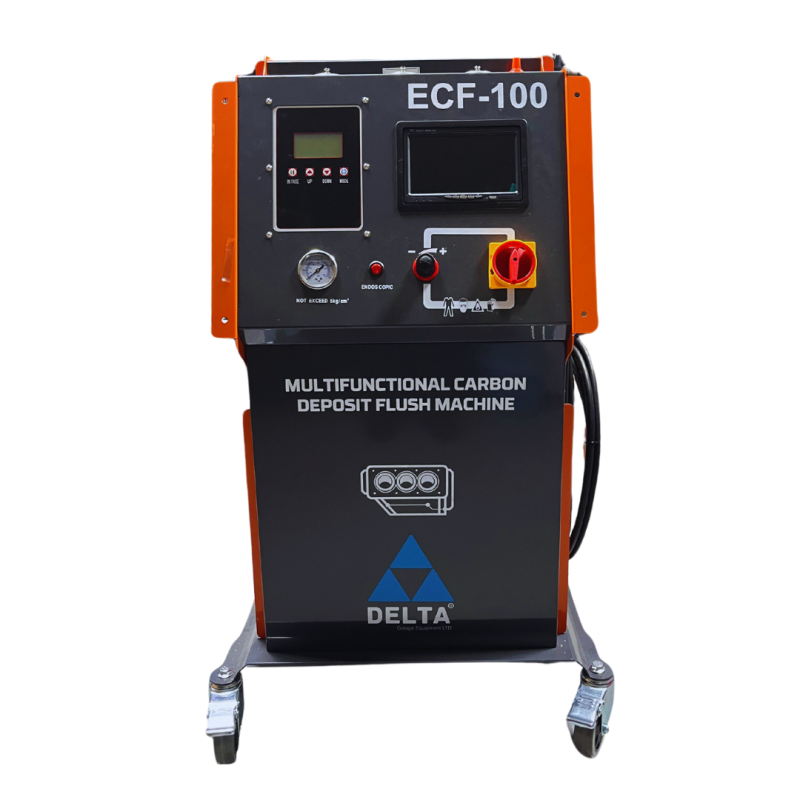
uses electrolysis to create oxy-hydrogen (HHO) gas from water, which is then fed into an engine's air intake while it's running; this gas mixture increases combustion temperatures, effectively burning off and removing carbon deposits from internal parts like valves, pistons, and turbos, leading to improved performance, fuel efficiency, and reduced emissions, all without disassembling the engine.
How it works:
Electrolysis: The machine uses electricity (from the mains or the car battery) to split water (
) into hydrogen (H) and oxygen (O).
HHO Gas Production: These gases are mixed to form oxy-hydrogen (HHO) gas, also known as Brown's Gas.
Introduction to Engine: The HHO gas is fed into the engine's air intake manifold while the engine idles.
Combustion & Cleaning: The HHO gas combusts at a higher temperature than fuel, creating a superheated vapor that breaks down carbon deposits into carbon dioxide and water vapor, which then exit through the exhaust.
Agitation & Removal: This process also gently agitates and cleans intake valves, turbocharger veins, and piston crowns, restoring efficiency.
Benefits:
Restored Performance: Improves power, throttle response, and engine smoothness.
Better Fuel Economy: Cleaner combustion leads to increased mileage.